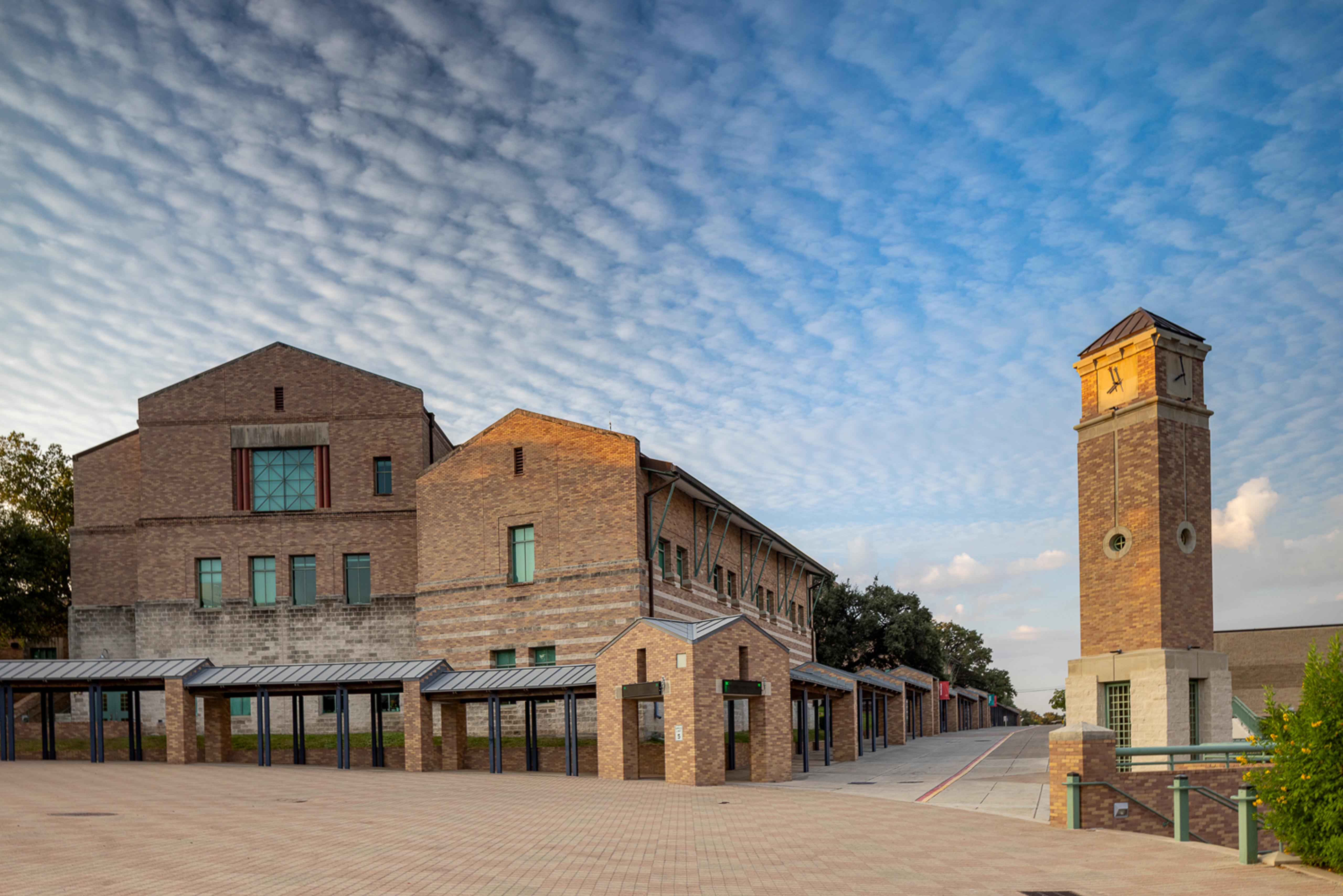
Designing Environments for Deaf Education
Historic Beginnings
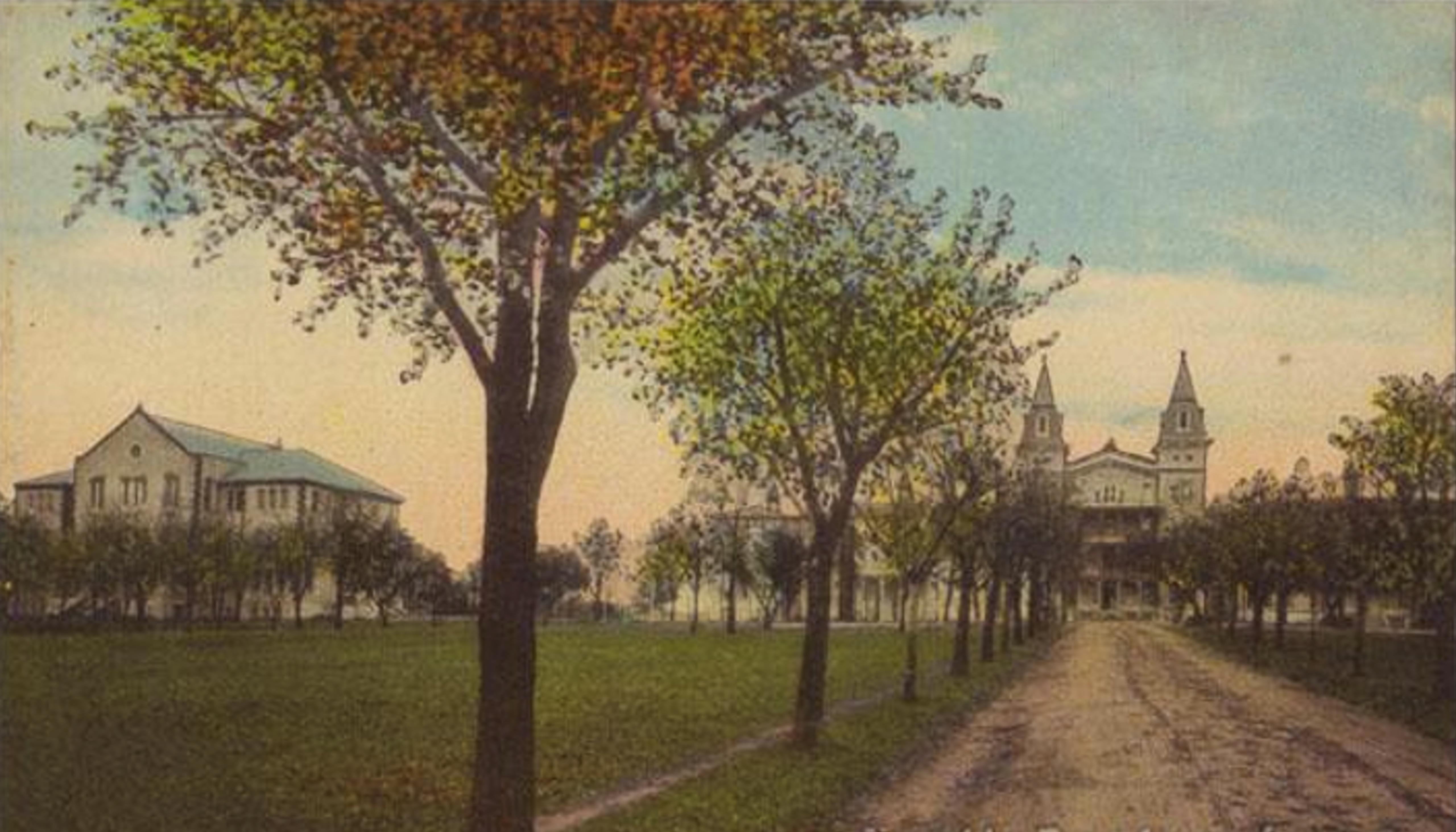
The Texas School for the Deaf has been a state institution for over 160 years. Today, the residential school provides educational services to more than 500 hearing-impaired and multi-handicapped pre-kindergarten through 12th grade students. It is the oldest continuously operated public school in the state.
Sacred Ground
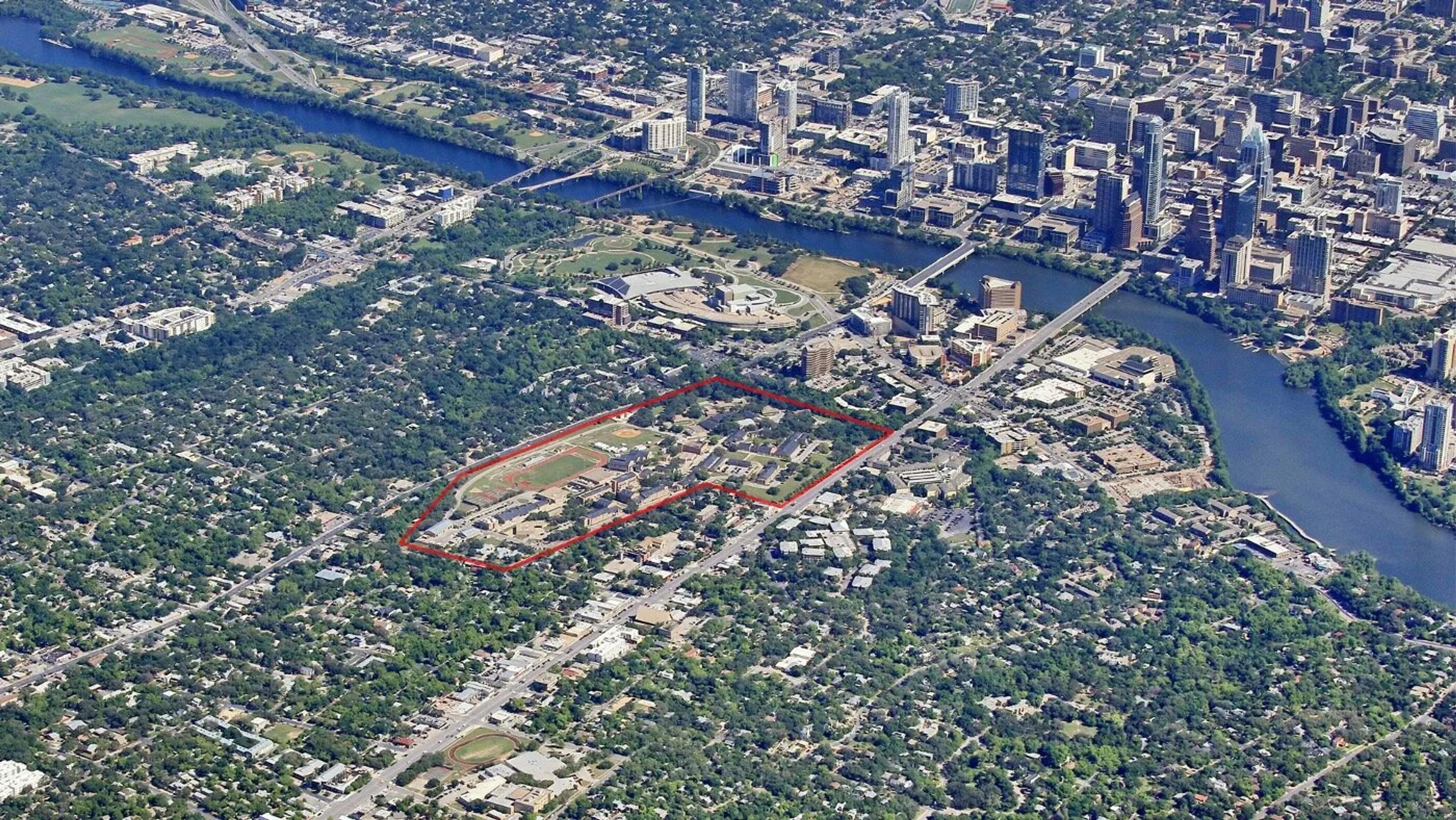
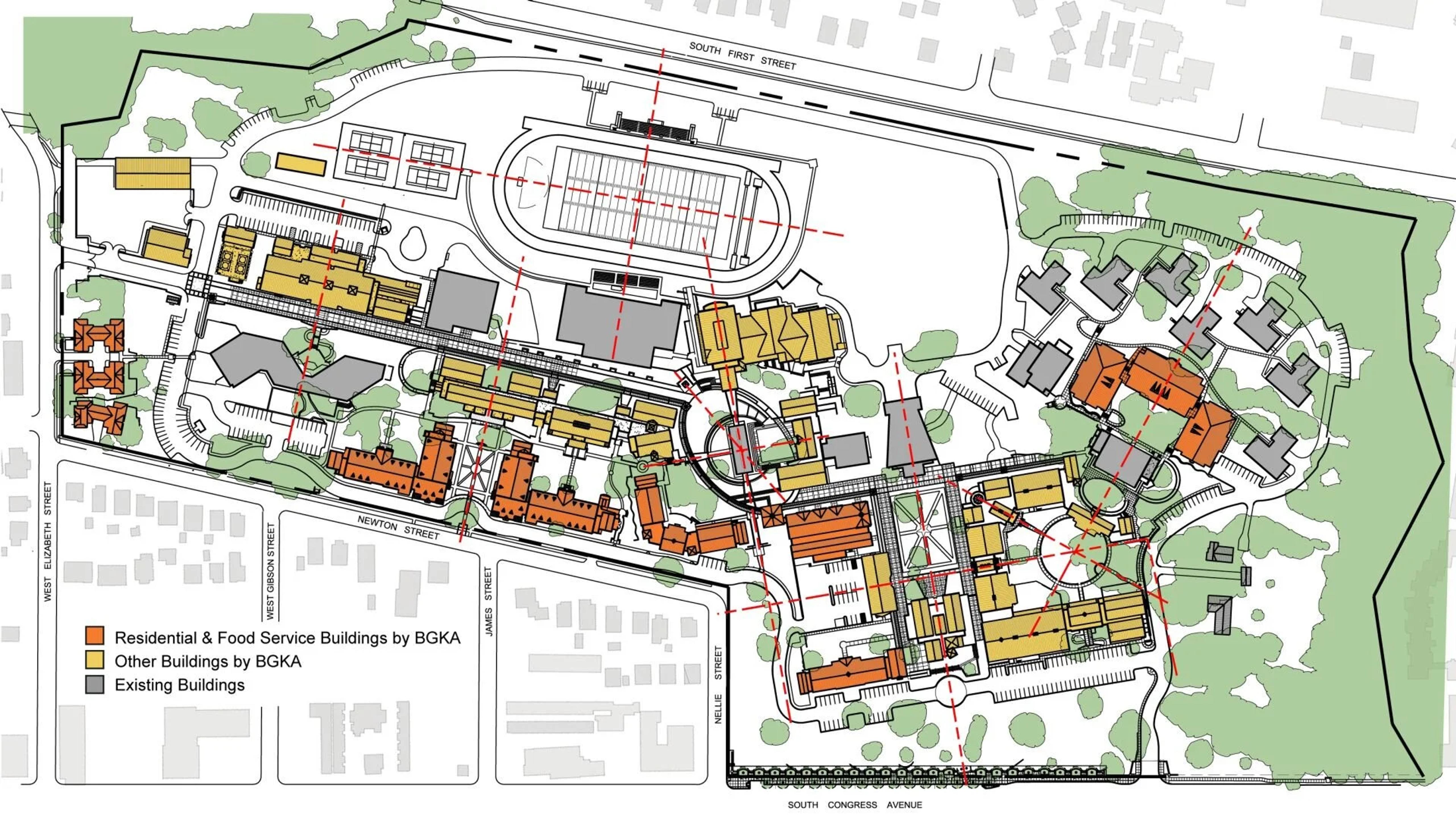
In the 1980s, the State Legislature had planned to move the campus to the outskirts of town where it would be out of sight and out of mind. Disgracefully neglected, the campus had deteriorated significantly. BGK championed the cause of preserving the central Austin historic campus and earned its first major commission, transforming the 65-acre campus.

Clients and Users as Expert Consultants
Our work at Texas School for the Deaf was the proving ground for BGK’s collaborative process, employing stakeholders and users as important expert consultants and working hand-in-hand to create architecture in support of deaf education. Fueled by the shared values of the entire team, BGK created a vibrant urban campus that addresses the changing nature and needs of its users as they grow from kindergarten through high school, while maintaining the cohesiveness of the campus community. This approach confirmed our belief that meaningful collaboration is inherently generative and even risky, but always rewarding. The act of collaboration is an important component to innovation.
Transformation
The project took nearly twenty years and created 22 new buildings, 250,000 renovated square feet, and five phases of construction. What was once an eyesore, a campus in danger of being closed, has become a beloved home away from home for deaf and special needs children in Texas as well as a place for students to receive caring services and find outstanding facilities.
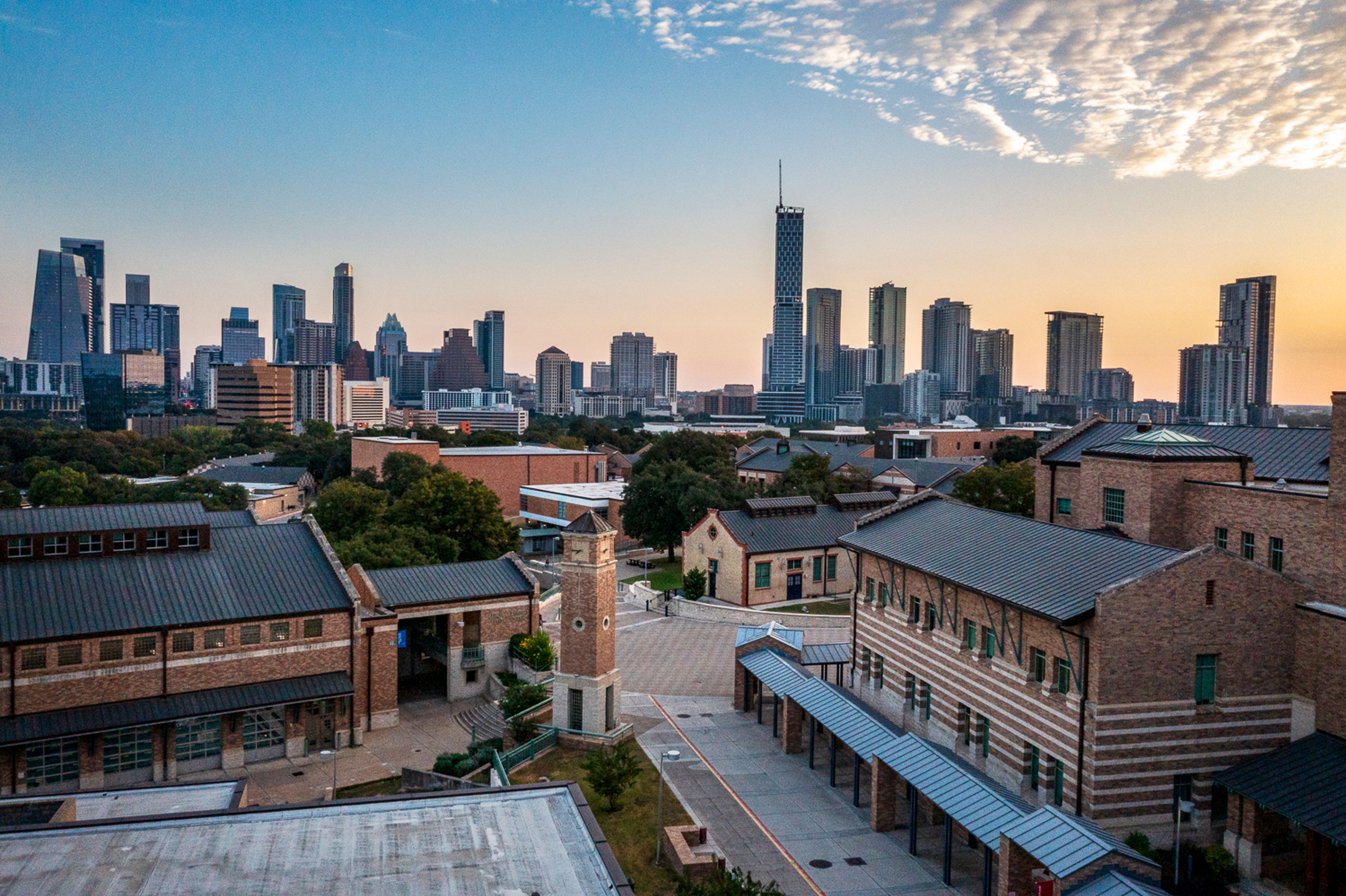
More than 160 years after its founding, the campus remains in the heart of Austin’s urban fabric and is considered sacred ground by the deaf community, holding deep historic and emotional significance. For generations of residential and day students, the school continues to serve as a true home away from home.
Innovations for Deaf Education
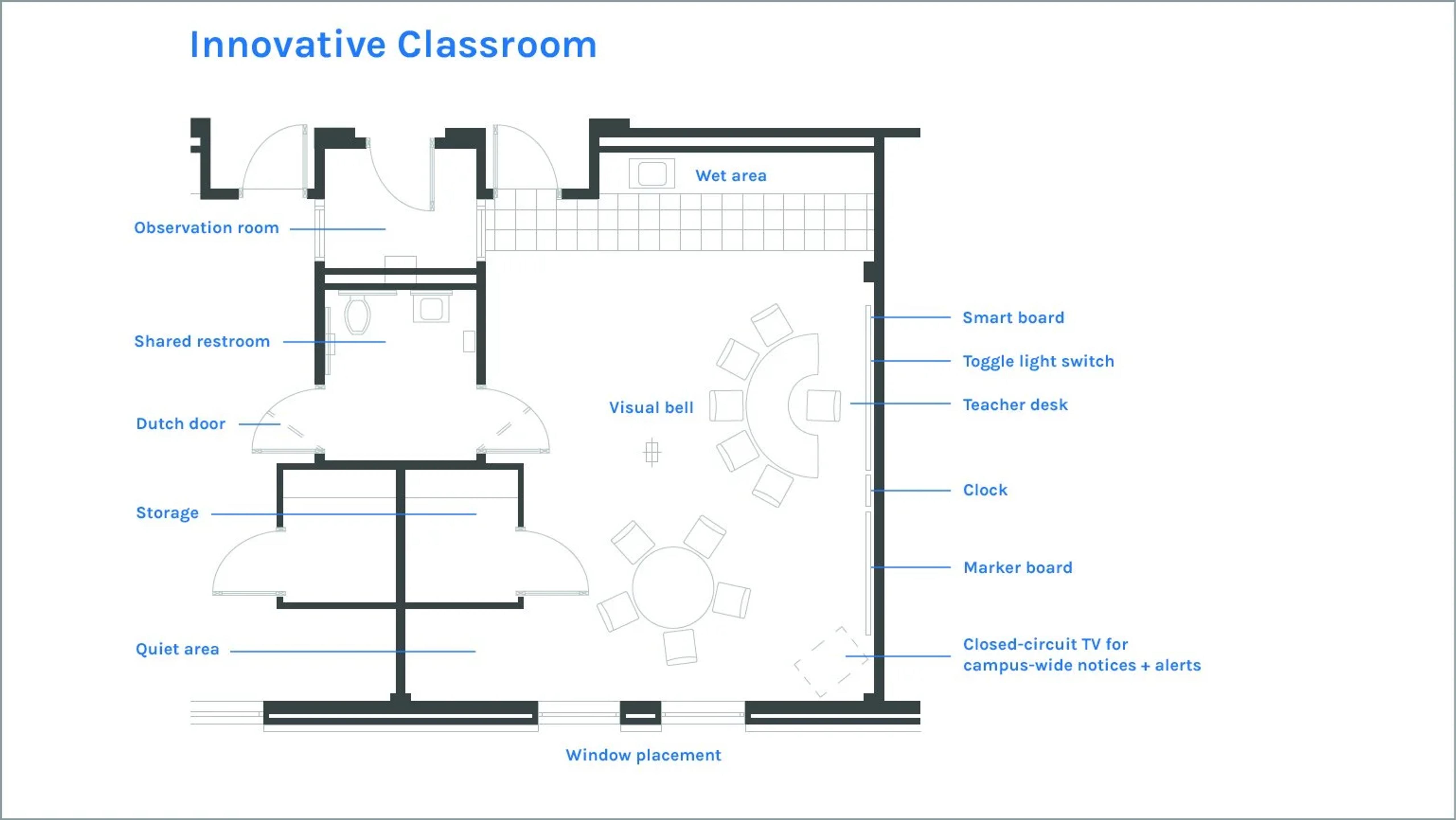
By learning to design with “deaf eyes,” the BGK team came to understand the users and was able to work using a completely new set of sensibilities and priorities. The project introduced important innovations and new concepts for deaf education, as well as prototypes for designing for the deaf and multi-handicapped. These included visual lines of sight, wide walkways to accommodate groups walking and signing to each other, unique instructional set-ups, visual alarms, integration of technology, uncluttered backdrops of monochromatic paints, tiles and finishes providing contrast between room and occupant so hands and facial expressions can be clearly seen, and strategic placement of natural light sources combined with artificial light to provide good visibility.
Pedagogy
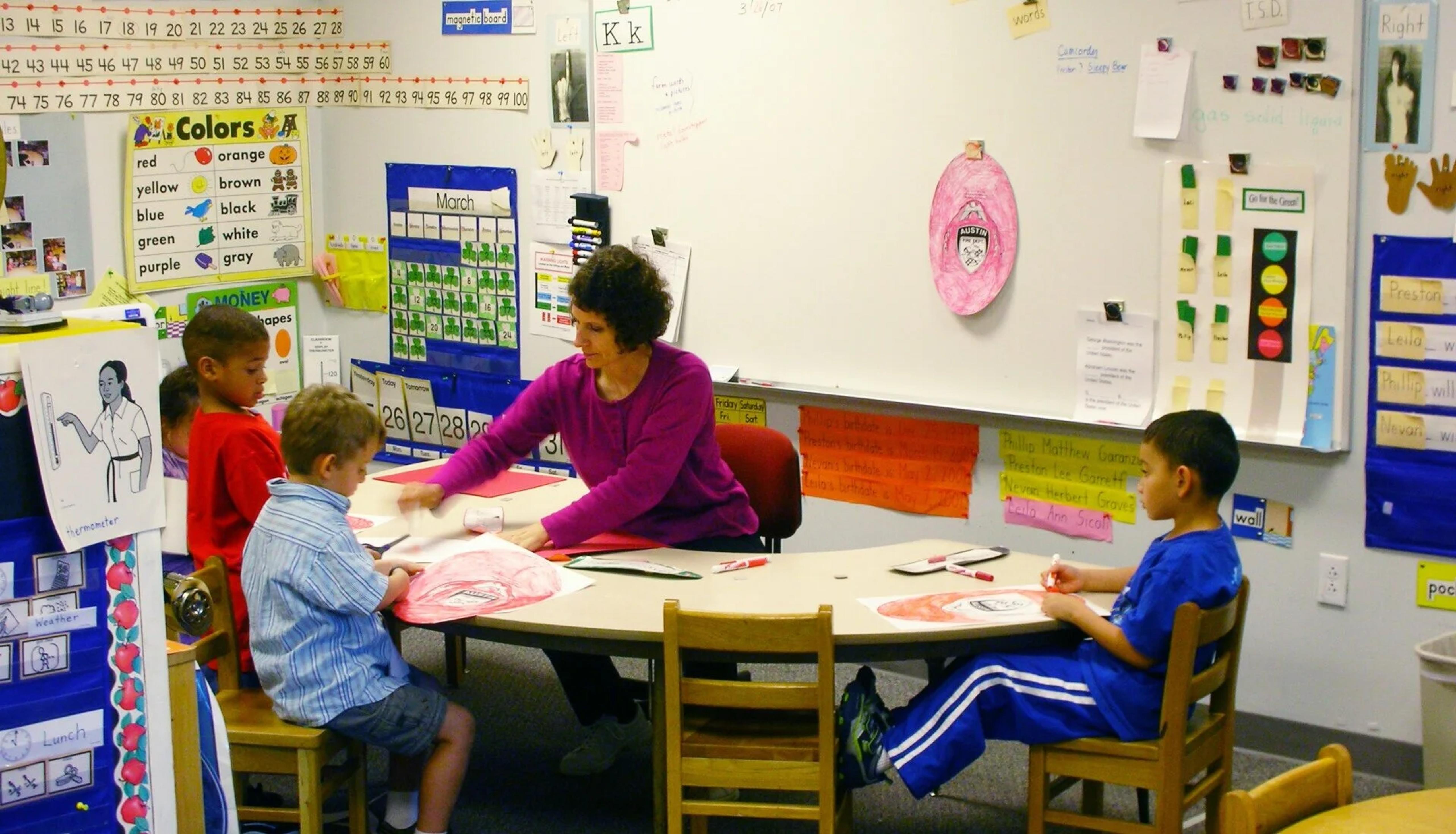
Graphic standards and design guidelines developed at the Texas School for the Deaf have since served as prototypes for other architects designing for deaf and hard-of-hearing students. These standards include a model for delivering deaf education across a range of age groups, from pre-kindergarten through high school, based on 5:1 to 9:1 student-to-teacher ratios that promote the exchange of ideas in more intimate settings than conventional classrooms.
Each teaching space is equipped with custom four-color visual “bells” for notifications and alarms, while dimmable lighting and flexible window shades allow students to adjust illumination throughout the day to enhance visual communication. Custom classroom furniture, including rounded tables and movable chairs, further supports sign language interaction by enabling students to gather comfortably in semi-circular arrangements.

A Community Amenity
On the School’s eastern edge, BGK envisioned the opportunity to connect the school with the community and Congress Avenue by creating a streetscape walkway, a transit stop, 800 feet of additional street parking, and landscape amenities that could be enjoyed by all. By coordinating efforts among the State of Texas (owner of the school), the City of Austin (responsible for the sidewalk), and Capital Metro (owner of the transit stop), BGK filled a glaring need. These distinct entities collaborated to fund a significant project that provides measurable benefits both to individual stakeholders and the broader community.
Outcomes
Once considered an outsider to the deaf and special needs community, BGK became a trusted partner, committed to understanding, documenting, and translating in order to create a place that honors the school’s long and storied history. Since the campus was completed in 2003, the surrounding neighborhood has been revitalized, and property values have risen. The school has grown in both student population and reputation and is now recognized within the deaf education community as an international model for deaf education. The school is also an integral part of the surrounding eclectic business community, whose merchants frequently interact with students both on and off campus. The project has received an Architecture Honor Award from the American Institute of Architects, recognition from the American Association of School Administrators and the Council of Educational Planners, and was named the Design Winner of the Best Real Estate Award by the Austin Business Journal. BGK also earned the AIA Austin Firm of the Year award in 1999, honoring almost two decades of work on this community landmark.